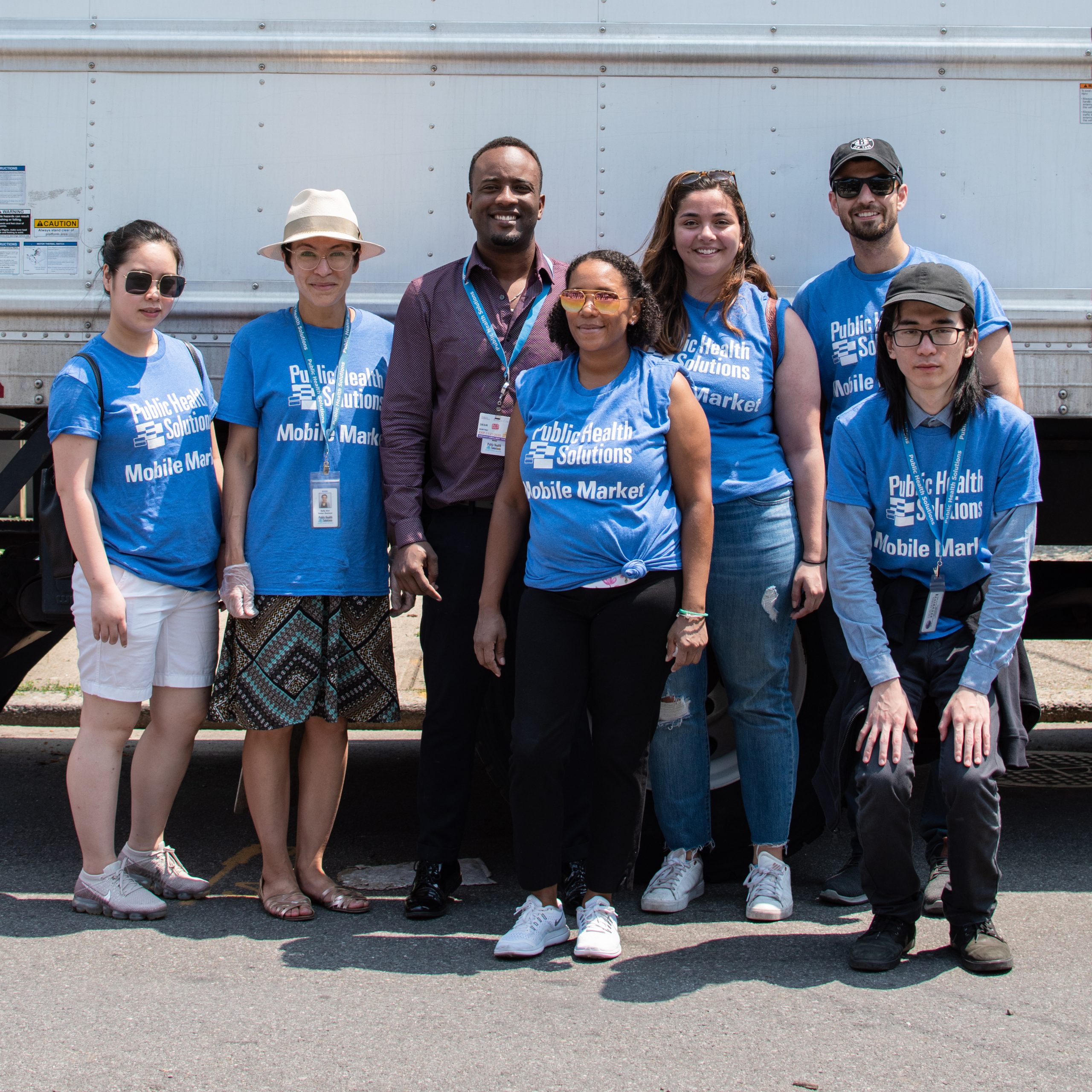
What would it take to reduce health inequities in NYC? An approach that supports families, builds community infrastructure, and advocates for policy change. At PHS, we strive for a future where all New Yorkers are living a long and healthy life, no matter how much money they make, the color of their skin, or where they live.
Our History
Since our inception in 1957 as a research office within the New York City Department of Health and Mental Hygiene (NYCDOHMH), Public Health Solutions has enabled the innovation needed to tackle the most pressing public health issues of our times. Over the past seven decades, we have shaped the landscape of public health through our research, services, administrative support and policy and advocacy.

- The Early Years: Expanding our Role
In 1957, the NYC Department of Health and Mental Hygiene founded the Medical Health Research Association of New York City (MHRA) to apply for research grants from government and private sources.
- 1960s: MHRA grew its research income tenfold
MHRA grew its research income tenfold, focusing on disease prevention among underserved populations. The organization expanded its work beyond research to include vaccination assistance and a training program for nursing home administrators.
- 1970s: Services for Women and Children
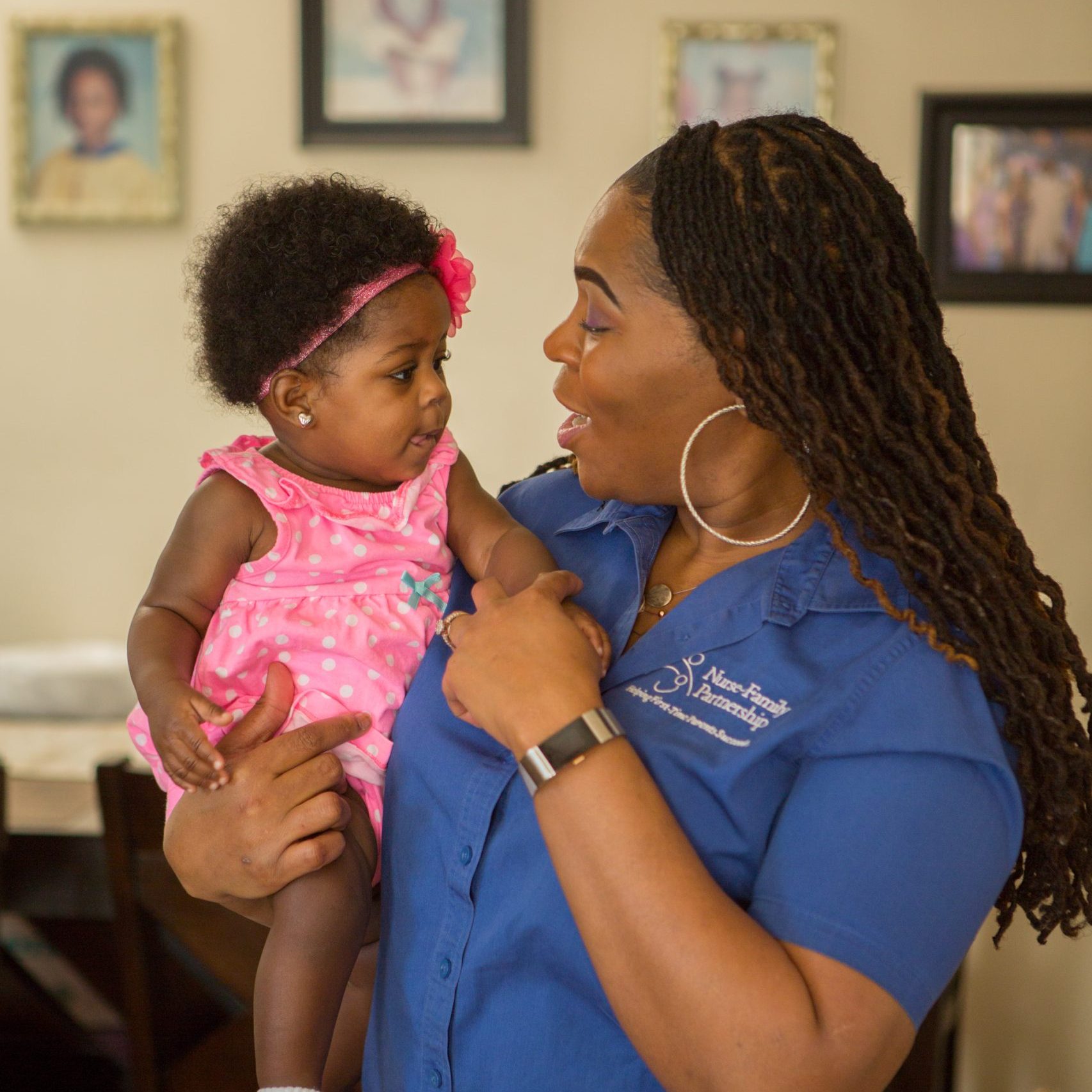
During the City’s financial crisis, PHS took on many vital services that were in jeopardy of closing, including sexual and reproductive healthcare center and the Supplemental Nutrition Assistance Program (SNAP) for Women, Infants, and Children (WIC), becoming the leading non-profit offering community-based WIC programs. PHS continues to provide these essential services today.
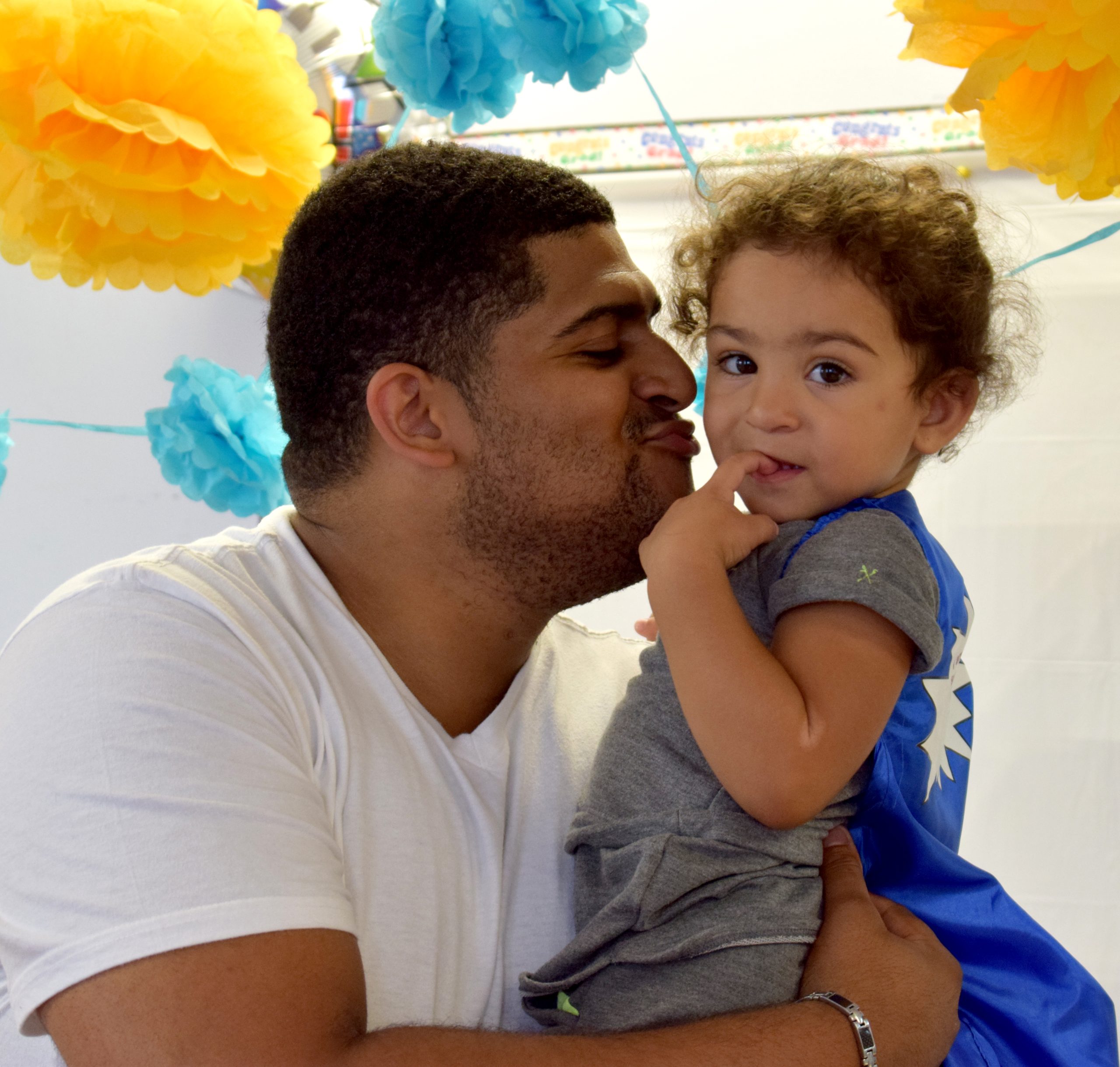
- 1980s: Shielding Programs from Budget Cuts
The consequences of government cutbacks and changes in Title X of the Public Health Service Act resulted in PHS having to address these problems while minimizing the reduction of services to New York’s neediest communities.
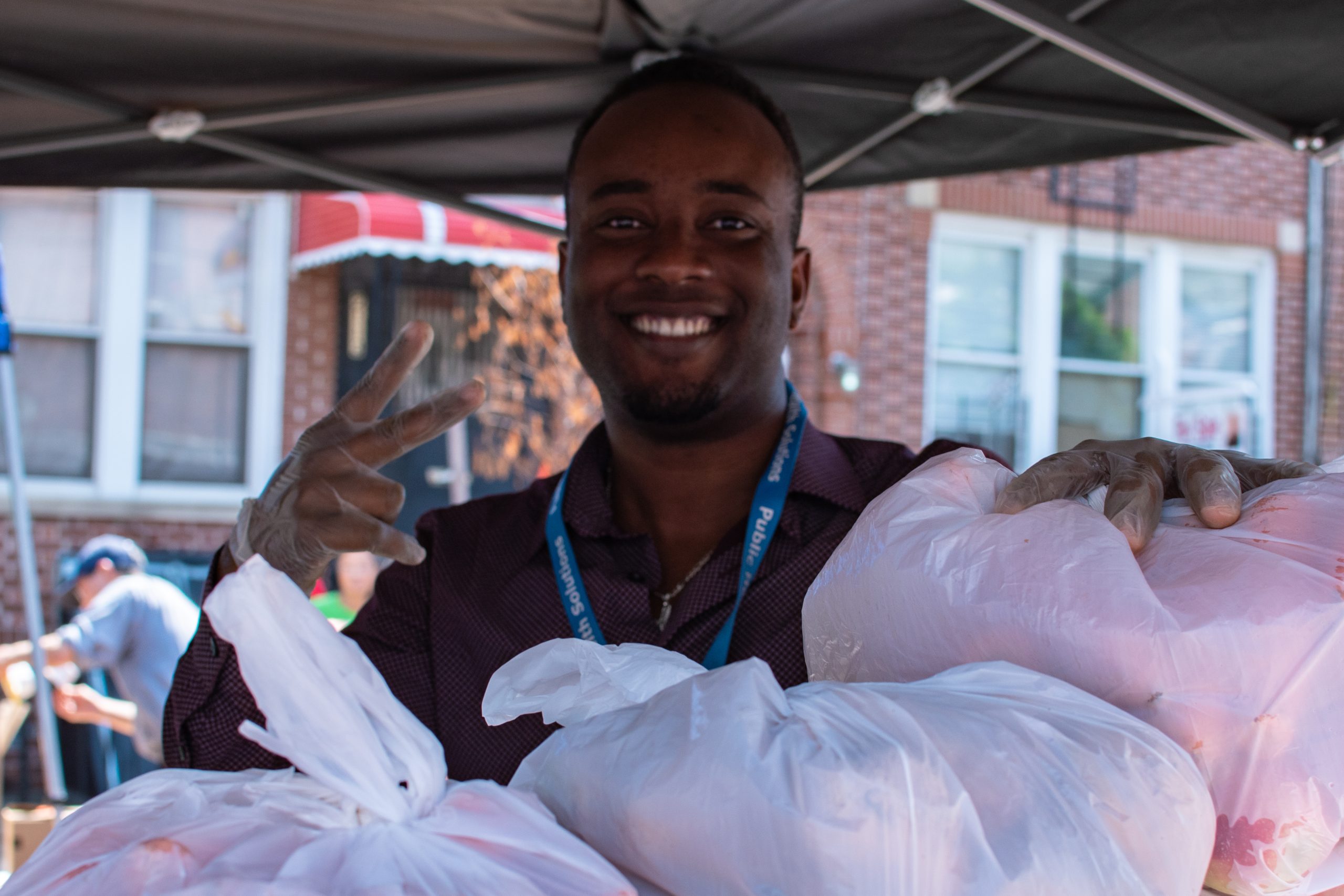
- 1990s: The Addition of HIV/AIDS Care
At the height of the HIV crisis, the city again turned to PHS, this time as an administrative partner to ensure emergency funding through the Federal Ryan White HIV/AIDS initiative was rapidly deployed to healthcare and community-based organizations caring for people living with the disease. PHS became a WIC Vendor Management Agency responsible for training, licensing and inspecting stores participating in the WIC program in Brooklyn, Queens, and in later years, Nassau County, Suffolk County, Orange County and Rockland County.
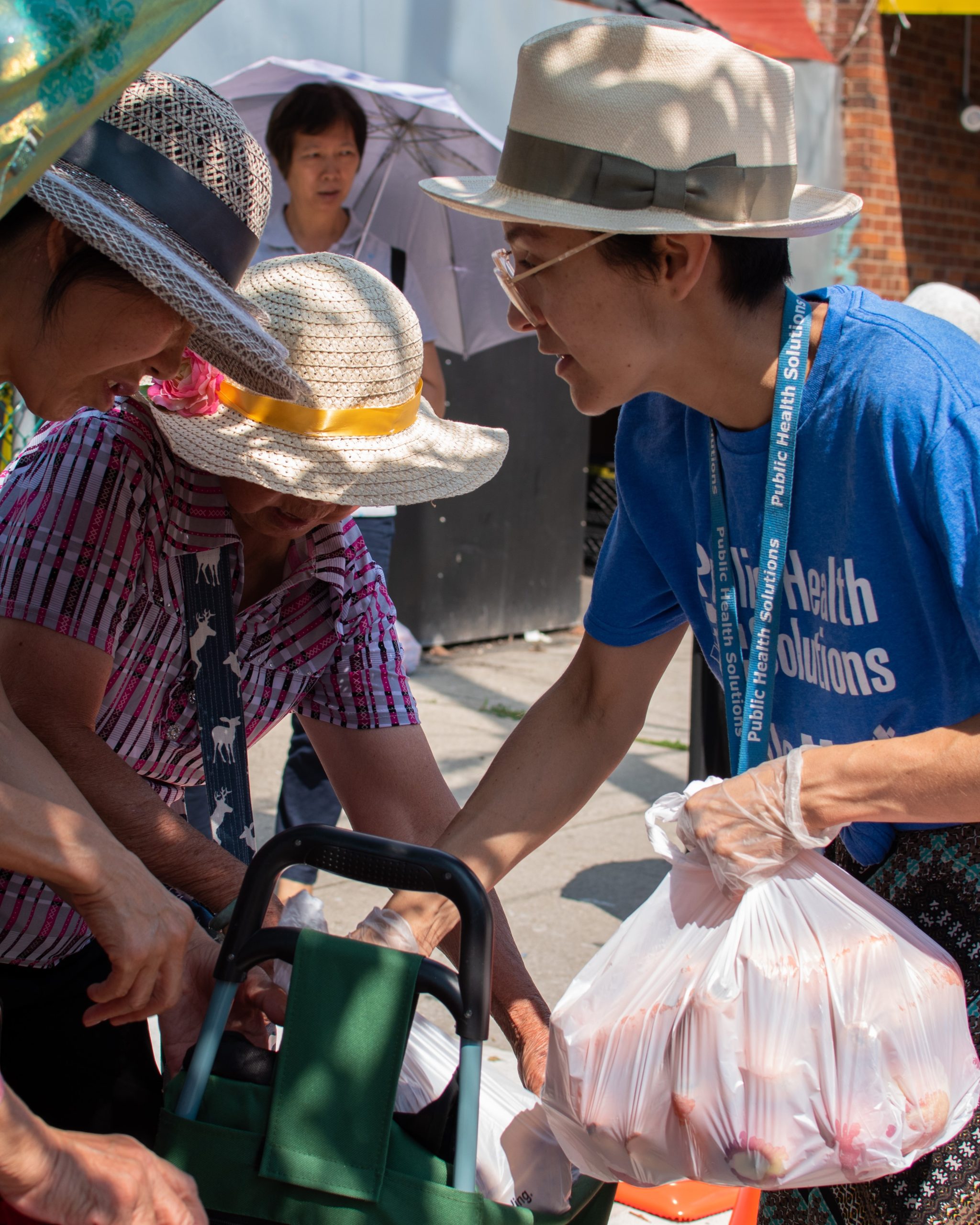
- 2000s: Capturing the essence of what the organization had become
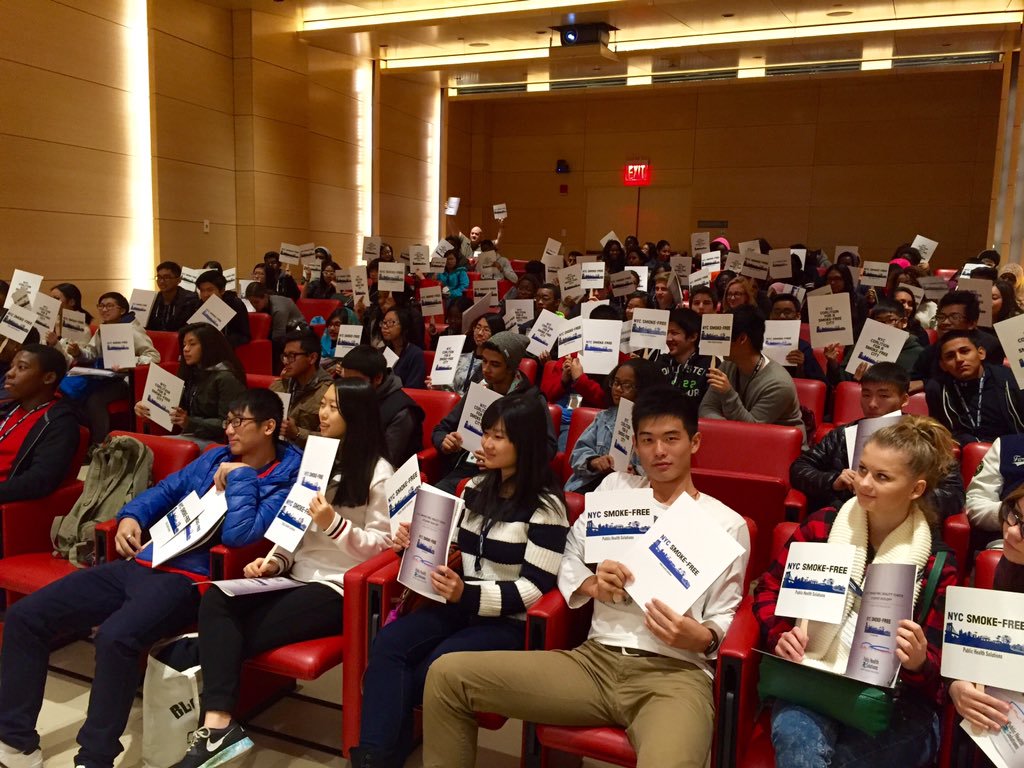
After the 9/11 terrorist attacks, MHRA was named the administrative agent for the city’s bioterrorism grant from the CDC, which was part of NYC’s public-private model that has been highlighted by the General Accounting Office (GAO) as the most effective and efficient bioterrorism model in the country. In 2008, MHRA changed its name to Public Health Solutions (PHS) to more accurately capture the essence of what the organization had become and to better define its role in New York City’s public health environment. PHS led the NYC Coalition for a Smoke-Free City (now NYC Smoke-Free), a coalition that works to protect the health of New Yorkers through tobacco control policy, advocacy, and education. Our combined efforts were instrumental in encouraging the passage of the 2003 NYC Smoke-Free Air Act.

- 2020s: Establishing an Equitable Future
In the early days of COVID-19, before government response was up and running, PHS served as a rapid response team, educating communities and distributing PPE, testing resources, and emergency food. Later in the pandemic, we supported the city in securing Federal funding for the essential infrastructure and workforce needed in the response. Today, we are combining our experience as a community-based services provider with our expertise in contracts administration to build the public health infrastructure of the future, with the aim of making health and economic community resources more accessible and interconnected. And to ensure the systems of the future are equitable, we have established an advocacy agenda that allows the voices of the neighborhoods we serve to shape the public health policies and practices of the future.